10 Best Charlotte Mason Books for a First Grade Reading List
Want a simple reading routine to use with these books?
What do we read?
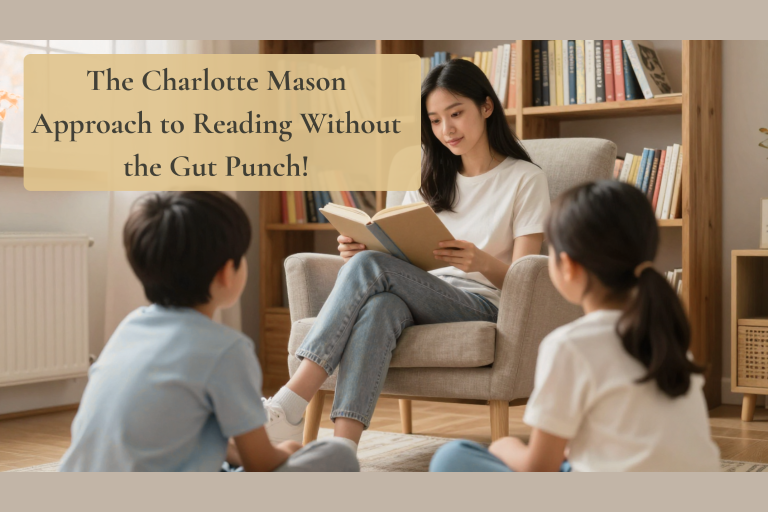
Building a first-grade reading list can feel overwhelming, especially when you want books that nurture imagination, language, and literacy skills. A Charlotte Mason approach makes this simple: choose living books—rich stories told by a single passionate author—and use short lessons paired with natural narration.
My heart warms as I think about the times my daughter recounts sitting with a book, simply enjoying the cover and getting lost in the pages. She describes those days as very peaceful. When my daughter was about 7 years old she and I would sit on the couch in the family room, reading “How the Whale Got His Throat,” by Rudyard Kipling.
This proved to be one of her favorites. She is an adult now, and it is evident that the memories have marked her for life as she brings her love of reading to her classroom.

Our reading corner. Short lessons, good light, and books within reach.
That’s what a Charlotte Mason type of education can provide for families.
Charlotte Mason’s method focuses on feeding the mind with inspiring ideas rather than worksheets. For young readers, that means choosing books that are engaging, beautiful, memorable, and worthy of retelling. To this day, my daughter, as an educator, brings living literature to her students because she was so powerfully impacted.
Additional resources
Charlotte Mason Online Help and Resources
Ambleside Online is another great resource for rich literature that will benefit your child. You will find suggestions on technique as well as additional books for a variety of reading levels.
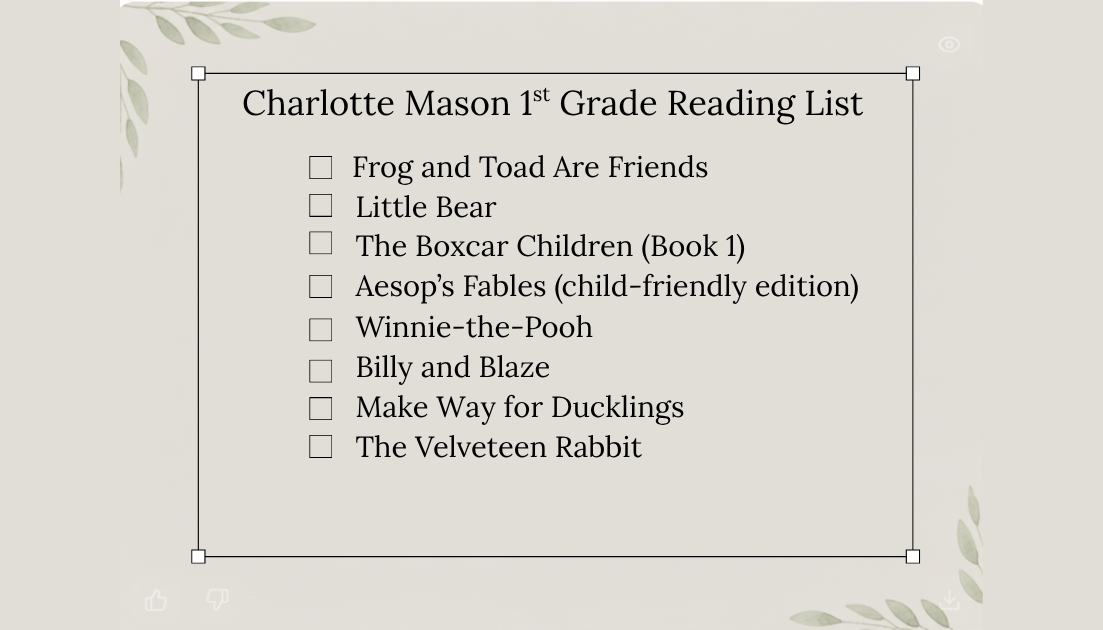
Below is a curated list of 10 Charlotte Mason–friendly options, perfect for first-grade readers and listeners.
I’ve also included a guide that is a printable PDF with a link to an app, you can use to support your reader’s reading comprehension, fluency, and stamina.


These are elements critical to becoming a strong reader. The 15-Minute Reading Boost is a great tool to gently stretch your child toward becoming a proficient reader.
Grab the Free Guide and then continue onto the list!
How to Turn These Books into a 10-Minute Reading Lesson
Here is a pattern that you might find helpful.
- Read-Read one short section aloud or let your child read what is manageable.
- Pause-Close the book.
- Narrate– Ask the prompt included with the book.
- Wonder-Ask one follow-up question.
- Stop-End while attention is still fresh.
You do not need to use every question or activity. One good narration and one thoughtful conversation are enough.
Try the suggestions below if your child says “I don’t know”
- “Tell me one thing you remember.”
- “Who was in this part?”
- “What happened first?”
- Look at the picture together.
- Read a shorter section.
- Model one sentence and let your child continue.
Remember, narration is a skill. It becomes easier with practice.
When your child responds with “I don’t know,” this may be a sign of resistance. Read this post for more insight into what to do when you hear these words.
Best Living Books for First Grade Readers
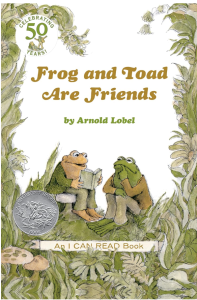
1. Frog and Toad Are Friends – Arnold Lobel
Best for: Reading together or independent reading
Before reading: “What does a good friend do?” My daughter said that she likes to eat good food with her friends. This was such a sweet and simple answer but it showed how those simple things make such an impression on our children.
Narration Prompt: “Tell me what Frog did for Toad and why it mattered.”
Follow-up: “How do you think Toad felt?”
Extension: “Draw Frog and Toad” doing something kind for one another.
2. Little Bear – Else Holmelund Minarik
Best for: Reading together or independent reading
If your child is beginning to read independently, try alternating pages or paragraphs. Let comprehension remain the goal, not finishing the book alone.
Before reading: “What do you think Little Bear might want today?” I asked my daughter what she thought Little Bear might want today. She said that she thinks Little Bear might want to make a cake like we did the other day. She recalled the day we made a hamburger cake with coconut frosting and how much fun we had working on that cake.
Narration Prompt: “Tell me what Little Bear wished for from beginning to end.”
Follow-up: “What part was your favorite?”
Extension: Let your child dictate a sentence beginning, “If I were Little Bear, I would…”
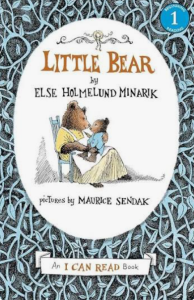
Simple but beautifully written stories with classic illustrations. Young readers enjoy narrating these short, relatable adventures.
3. The Boxcar Children – Gertrude Chandler Warner
Best for: Parent read-aloud or shared reading
You can read a short section or chapter aloud and then use the narration prompt.
Before reading: “What would you need if you had to take care of yourself?” I asked my son, and he said he would need his mom and dad to help take care of him. It was so nice to know he remembered that his parents are important in his care.
Narration Prompt: “What problem did the children have, and how did they solve it?”
Follow-up: “Which child helped the most in this chapter?”
Extension: Make a simple three-box sequence: problem, then plan, then solution.
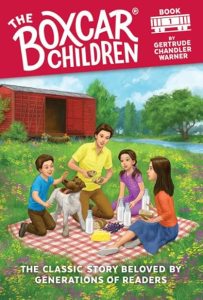
A wholesome family story rich in imagination and problem-solving. Ideal for building attention and early comprehension.
Charlotte Mason Picture Books for Early Readers
4. Aesop’s Fables (child-friendly edition)
Best for: Parent read-aloud or read together
Tip: Choose an illustrated edition with short fables and languages your child can understand.
Before reading: “Listen for a choice that causes a problem.”
Narration Prompt: “Tell me what happened and what the character learned.”
Follow-up: “Do you think the lesson is true? Why?” My daughter said she thought the lesson in the Mouse and the Lion was true because she remembered the time when her big brother was kind to her and how she felt that she needed to be kind to him when he needed it.
Extension: Give the fable a new title.
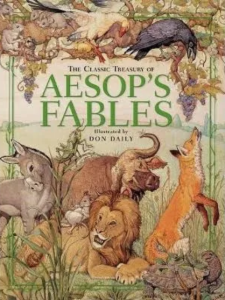
Short, idea-packed stories perfect for beginning narration. Each fable provides a natural moral to discuss without preaching.
5. The Story of Ping – Marjorie Flack
Best for: Parent read-aloud or read together
Before reading: “Have you ever wanted to avoid something because you thought you might get in trouble?”
Narration Prompt: “Why did Ping hide, and what happened because of his decision?” This was a difficult story for my daughter to narrate. It may have been the day or that the story didn’t appeal to her. I was tempted to press her for another answer but realized that we needed to move on because not every story will ignite the imagination the same way. We all have preferences we need to honor.
Follow-up: “What might Ping do differently next time?”
Extension: Use the illustrations to retell the story without re-reading the words.
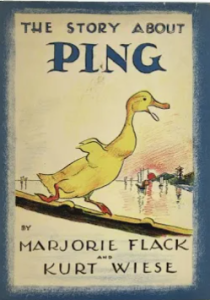
Although this wasn’t one of my daughter’s favorites, you may find it a living book with wonderful vocabulary and a narrative that sticks with your child. Excellent for oral retelling and picture narration.
6. Make Way for Ducklings – Robert McCloskey
Best for: Parent read-aloud
Before reading: “What does an animal need to find a safe home?”
Narration Prompt: “How did Mrs. Mallard gather her ducklings safely to where they needed to go?”
Follow-up: “Who helped her?”
Extension: Have your child put the ducklings’ journey in order.
This was one of those stories that got repeat requests for reading. Her eyes seem to light up as we came to the part where the ducks crossed the street.
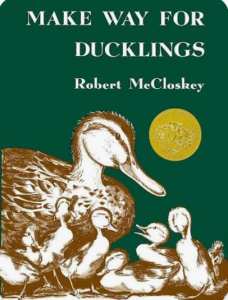
A timeless living picture book with rich vocabulary and detailed illustrations that support narration for young children.
Classic Read-Alouds for First Grade Homeschool
7. Billy and Blaze – C.W. Anderson
Best for: Parent read-aloud or shared reading
Invite your child to read a sentence or short passage when they want to, but don’t interrupt the flow of the story simply to practice decoding. This was one of those stories that my son begged to read one of the sentences on his own. He did an excellent job.
Before reading: “What makes someone a trustworthy helper?”
Narration Prompt: “Tell me about Billy and Blaze’s adventure.”
Follow-up: “What made Blaze a good horse for Billy?”
Extension: Choose three words that describe Blaze.
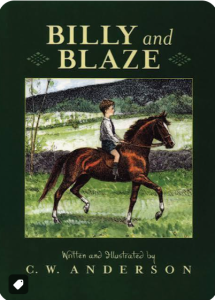
Clean, engaging adventure stories with beautiful art. These stories build vocabulary and attention while remaining accessible to early readers.
8. Winnie-the-Pooh (select chapters) – A.A. Milne
Best for: Parent read-aloud
Before reading: “Pooh often has plans that do not work exactly the way he expects. Listen for the problem.” Both my daughter and son fell in love with Winnie-the-Pooh. They would take turns playing different roles and acting out certain stories.
Narration Prompt: “What trouble did Pooh get into, and how did it end?”
Follow-up: “What was funny about it?”
Extension: Draw the funniest moment.
Don’t worry if your child cannot understand every unfamiliar word. Read naturally, explain only what is necessary, and allow the story itself to carry much of the meaning.
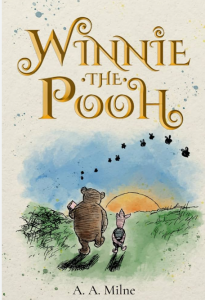
Humorous, sophisticated language that helps children stretch their listening comprehension. Wonderful for read-alouds and detailed narrations.
Gentle Stories for Building Narration Skills
9. Abraham Lincoln–Ingri & Edgar Parin d’Aulaire
Best for: Parent read aloud

Narration Prompt: “Tell me about one thing Abraham Lincoln did when he was a boy.”
This book wasn’t my daughter’s favorite when we first visited. Not every book will be a favorite, but it may need a revisit later in life. Don’t be discouraged if your child doesn’t love a book you select. Remember they are real human beings with genuine likes and dislikes that can change over time. Keep offering your child living literature to become familiar with.
This is one of those books that we chose to read when my daughter was a couple of years older, and she was much more engaged.
Follow up: “What kind of child was Abraham Lincoln?”
Extension: What was the most interesting thing you read about Abraham Lincoln?
This may be a book that you want to revisit after your child is a little older. They may appreciate some of the historical information as they age.
10. The Velveteen Rabbit – Margery Williams
Best for: Parent Read Aloud
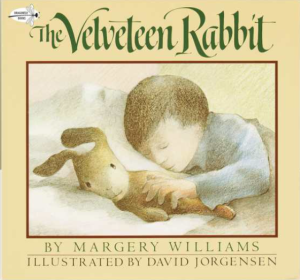
A story full of beauty, truth, and emotional depth. Helps children explore meaningful ideas while practicing gentle narration.
Narration Prompt: “The Rabbit wanted to become Real. What did the Skin Horse say about how that happens? What do you think ‘Real’ means?”
I asked my daughter what she thought it meant to be “Real.” That question led us to talk about what it means to have real feelings, the ones we sometimes don’t like.
Use the 15-Minute Reading Boost alongside these narration prompts to strengthen comprehension, fluency, and reading stamina without adding another complicated curriculum.
Why These Books Fit the Charlotte Mason Approach
These selections align with Charlotte Mason principles because they are:
- Living books filled with rich language and ideas
- Perfect narration material, making it easy for children to “tell back”
- Developmentally appropriate, encouraging a love of reading
- Helpful for phonics, fluency, and reading comprehension
- Strong choices for homeschool first grade language arts
This list supports Charlotte Mason’s belief that reading lessons in first grade should blend decoding skills with inspiring stories worth remembering.
How to Use These Books in Your Homeschool
Choosing books that spark curiosity and invite narration builds a foundation for lifelong learning. Here is a simple rhythm: For a deeper dive into teaching your child to read, check out this guide to reading at home.
- Read aloud a short chapter or story (10–15 minutes maximum for first graders)
- Ask one narration prompt and let your child retell without interruption
- Discuss briefly—wonder together about a character’s choice or a new word
- Move on—short lessons keep attention fresh and learning joyful
The prompts above work for oral narration, but as the year progresses, your child might draw a scene or dictate a sentence for you to write. Both honor the Charlotte Mason principle that the child’s mind does the work.
Use The 15-Minute Reading Boost along side your narration activities to track some of the responses your child gives and they learn how to answer the narration prompts.
Reading Boost