
5 Gentle Ways to Transform Reading Time from Struggle to Joy
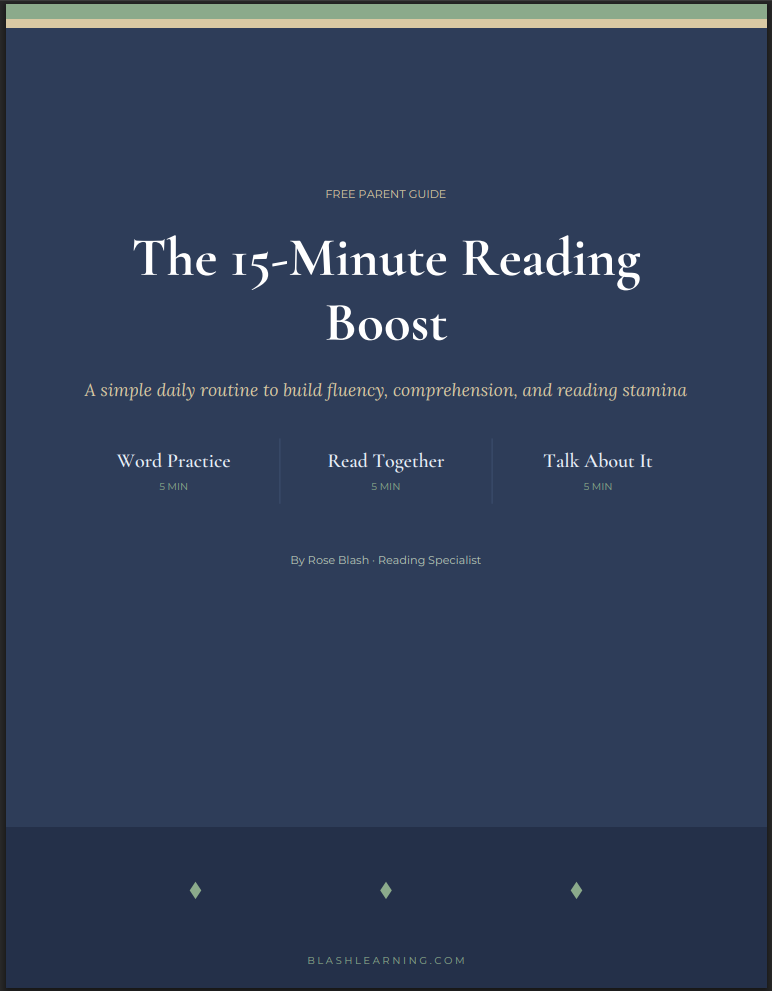
Start your journey by downloading the Free Guide: The15 Minute Reading Boost
Sarah stared at the stack of chapter books on the kitchen table, feeling that familiar knot in her stomach. Her 8-year-old daughter Emma could read the words beautifully—her fluency was impressive—but when Sarah asked, “What happened in the story?” Emma would shrug and say, “I don’t know.” Sound familiar? You’re definitely not alone in this journey.
Reading comprehension is truly the heart of literacy development, and as homeschool parents, we have the unique opportunity to nurture this skill in ways that work specifically for our children. The beautiful thing about homeschooling is that we can take the time to really listen, observe, and respond to what our children need—something that’s often challenging in traditional classroom settings.
If you’ve ever felt uncertain about how to help your elementary aged readers move beyond just saying words to truly understanding and connecting with stories, you’re in the right place. Let’s explore five gentle, practical strategies that can transform your daily reading time from a struggle into a joyful conversation.
Building the Foundation: Pre-Reading Strategies That Work
Activate Prior Knowledge Before You Begin
Before diving into any story, take a moment to create that magical bridge between what your child already knows and what they’re about to discover. This isn’t about testing them—it’s about honoring their experiences and building confidence.
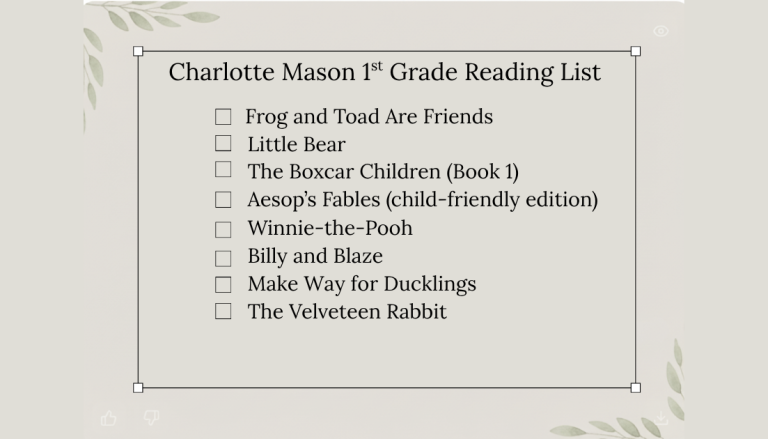
This is a wonderful time to not only get your child ready to read but also continue the bonding experience with them. Charlotte Mason encouraged homeschool parents to give to create that space for their child to go deep into a book or any experience and this is one way to nurture that.
When you pick up Charlotte’s Web together, for instance, spend a few minutes looking at the cover. Notice how your child’s eyes light up when they share what they know about farms, or animals, or even spiders! Ask gentle, open-ended questions like:
• “What do you know about pigs?” • “What do you know about friendship?” • “Have you ever seen a spider’s web?”
This simple step helps your child’s brain prepare for the journey ahead. You’re essentially telling their mind, “Get ready—we’re about to connect some dots!”
If you are looking for tips on strengthening letter sound and word recognition, check out the post on 5 Easy Homeschool Phonics Games.
This kind of thoughtful preparation is exactly what makes The 15-Minute Reading Boost so effective. In just five minutes of discussion time, you can set your child up for deeper comprehension throughout the entire reading experience.
Active Reading Strategies That Engage Young Minds
Help Your Child Make Personal Connections
One of the most powerful things about reading comprehension is watching your child’s face when they realize, “Hey, this reminds me of something!” Good readers naturally connect stories to their own lives, and we can gently encourage this skill.
After reading a section together, try prompts like: • “Does this remind you of anything that’s happened to you?” • “Have you ever felt like this character?” • “Does this character remind you of someone we know?”
Don’t worry if the connections seem silly or unrelated at first—any connection is a good connection! Your younger children might simply point and say, “Like me!” while older ones can jot down quick notes in a reading journal.
Encourage Thoughtful Predictions
Predictions are like little gifts of curiosity we give our children. They keep young readers engaged and invested in the story’s outcome. Before turning the page or starting a new chapter, pause and wonder together.
Use gentle prompts like: • “I think that…” • “I wonder if…” • “What do you think might happen next?”
Here’s the beautiful part: predictions don’t need to be correct! They just need to show that your child is thinking deeply about the story. Make it fun by revisiting their guesses later—sometimes they’ll be spot-on, sometimes delightfully wrong, and both outcomes are wonderful learning opportunities.
During and After Reading: Deepening Understanding
Cultivate a Curious Mindset Through Questions
Some of the most meaningful reading moments happen when children ask their own questions. This shows they’re truly engaged and thinking critically about what they’re experiencing.
Encourage questions like: • “I wonder why the character made that choice?” • “Where do you think this is happening?” • “Why do you think the author included this detail?”
Sometimes answers appear immediately, sometimes they unfold throughout the story, and sometimes they spark wonderful discussions that extend far beyond the book. All of these outcomes are beautiful!
The discussion component of The 15-Minute Reading Boost creates natural space for these questioning moments, turning everyday reading into rich conversations that build both comprehension and connection.
Practice Retelling in Their Own Words
After finishing a story or chapter, give your child the gift of sharing what they’ve experienced. Retelling isn’t about perfect recall—it’s about processing and making meaning.
At first, retellings might be brief: “There was a pig and a spider and they were friends.” That’s perfect! With gentle encouragement and practice, they’ll naturally include more details, better sequencing, and deeper insights.
Try prompts like: • “Tell me about the most important part of this story” • “What happened first? Then what?” • “How did the story end?”
Supporting Your Homeschool Reading Journey
Common Questions from Caring Parents
How can I help my child understand what they read without making it feel like school?
The key is conversation, not interrogation. Ask questions because you’re genuinely curious about their thoughts, not because you’re testing them. Make it feel like you’re exploring the story together as fellow adventurers.
What if my child struggles with retelling?
Start small and be patient. Use gentle prompts like “What’s one thing you remember?” or “Who was in this story?” Every child develops at their own pace, and your loving support makes all the difference.
When should I start working on reading comprehension with my child?
You can begin during read-alouds in the preschool years! Simply talking about stories, making connections, and wondering together builds the foundation for all future reading comprehension skills.
How often should we practice these strategies?
Consistency trumps perfection every time. A few minutes of meaningful conversation during your regular reading time is far more valuable than lengthy, infrequent sessions. This is why The 15-Minute Reading Boost is structured the way it is—short, manageable, and sustainable for busy homeschool families.
Moving Forward with Confidence
Remember, dear homeschool parent: you don’t need to be a reading specialist to help your child become a thoughtful, engaged reader. Your love, attention, and willingness to sit together with books is already more powerful than you realize.
These strategies aren’t meant to overwhelm your day or turn reading time into a checklist. Instead, they’re gentle tools that can naturally weave into the conversations you’re probably already having with your child.
The journey to stronger reading comprehension happens one story, one conversation, one connection at a time. Trust yourself, trust your child, and enjoy this precious time together.
Grab this Free resource. The 15-Minute Reading Boost is a tool that you can use to support your child’s reading journey.