What is Narration in Homeschool? A Simple Charlotte Mason Approach
Children continue to struggle to make gains in reading. Parents are looking for support that is direct and uncomplicated. Grab the 15-Minute Reading Boost to give your young readers support while having fun.
What is Narration in Homeschool?
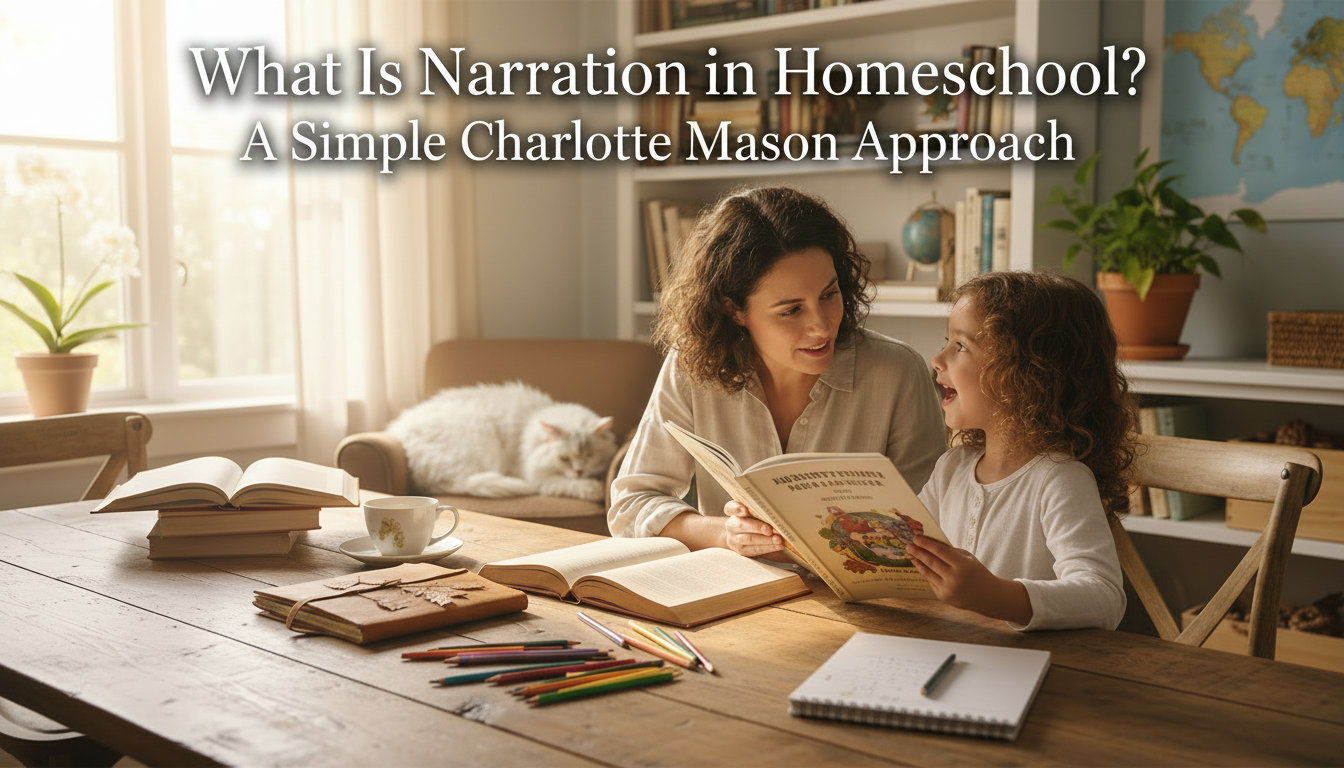
Homeschool narration is more than just retelling a story—it’s the art of thinking through language. In homeschooling, narration happens when a child tells back, or retells, in their own words what they’ve just read, heard, or observed. It’s one of the cornerstones of the Charlotte Mason homeschool philosophy, designed to build attention, memory, and comprehension.
Charlotte Mason believed that when children narrate, they engage deeply with ideas, not just facts. They demonstrate a siginificant level of understanding. Whether your child is describing a fable, summarizing a history lesson, or explaining a nature study, narration helps you see what they truly understand.
Charlotte Mason Narration Explained Simply
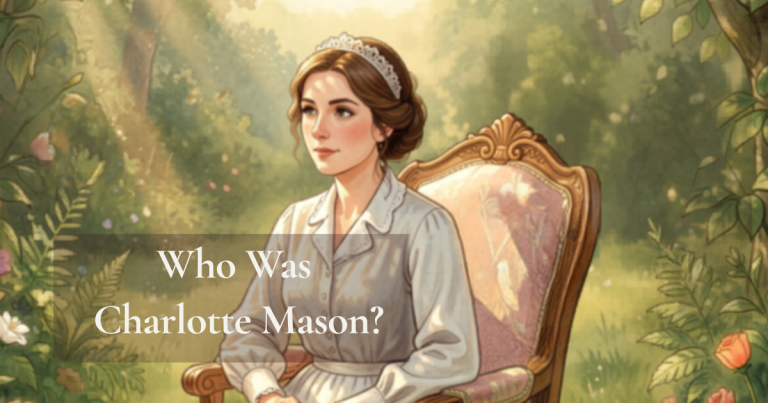
Charlotte Mason described narration as the act of “telling back” what was read or experienced. Instead of worksheets or quizzes, children narrate aloud or in writing, giving parents insight into comprehension and critical thinking.
Narraton gives a broader picture of what the child has internalized, digested, and retold based on their understanding. We see real learning here.
Why It Works
- Natural learning process: Speaking or writing helps consolidate information.
- Builds confidence and expression: Especially valuable for kids who learn through language and storytelling.
- No testing pressure: Narration replaces formal review, encouraging joyful learning.
In essence, narration turns reading into thinking aloud—deepening understanding every time.
How to Teach Narration in Homeschool
Teaching narration starts with creating the right environment—gentle, consistent, and free of performance stress.
Step 1: Start Small
Begin after short passages (a paragraph or two). Ask your child, “Can you tell me what you remember?” Let their words flow naturally.
Step 2: Model and Encourage
The first few times, model a simple narration yourself. As children see how to summarize and retell, they’ll become more confident.
Step 3: Gradually Increase Complexity
As reading stamina grows, extend the amount of text and introduce written narration in later grades. In middle school and high school, narration can evolve into essays or creative projects.
Narration is a gentle and effective way to deepen the young readers understanding of the text. It is very much an active learning process and important skill to strengthen.
Narration Ideas for Younger Kids
When homeschooling little ones, narration should feel playful and relaxed. Have fun with it.
Hands-On and Interactive Approaches
- Draw and Tell: Let them draw a scene, then narrate what’s happening.
- Puppet Narration: Use finger puppets to retell the story.
- Play Narration: Reenact the story with toys or blocks.
Tips for Early Learners
Keep it short, upbeat, and encouraging. Accept partial retellings—progress matters more than perfection.
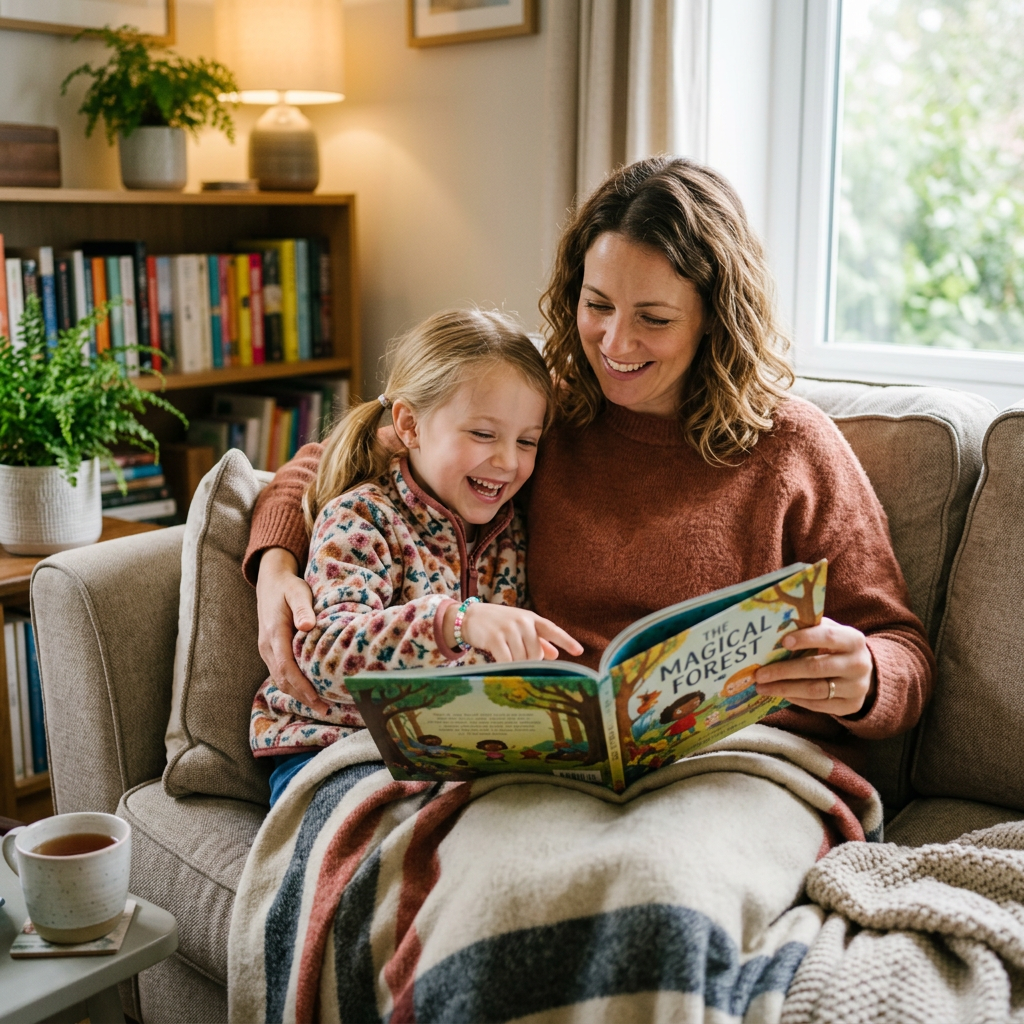
Gentle Narration Ideas for Struggling Readers
Some children find narration difficult because of reading or language challenges. That’s okay—narration is flexible.
Supportive Strategies
- Use audiobooks or read-alouds: Listen together before narrating.
- Offer sentence starters: “First… then… finally…” to help organize thoughts.
- Dictate their narration: Write it for them so they focus on words, not spelling.
- Short, focused questions: “What happened after the rabbit went into the garden?” instead of “Tell me the whole story.”
Encouragement Matters
Celebrate effort, not output. Gentle narration strengthens comprehension without pressure.
Final Thoughts
Narration transforms homeschooling by replacing rote memory with meaningful conversation. It invites children to think, connect, and express ideas in their own voice—a habit that lasts long beyond academics.
The beauty of narration is its simplicity: read, think, tell. Over time, it becomes a natural rhythm of learning and discovery.