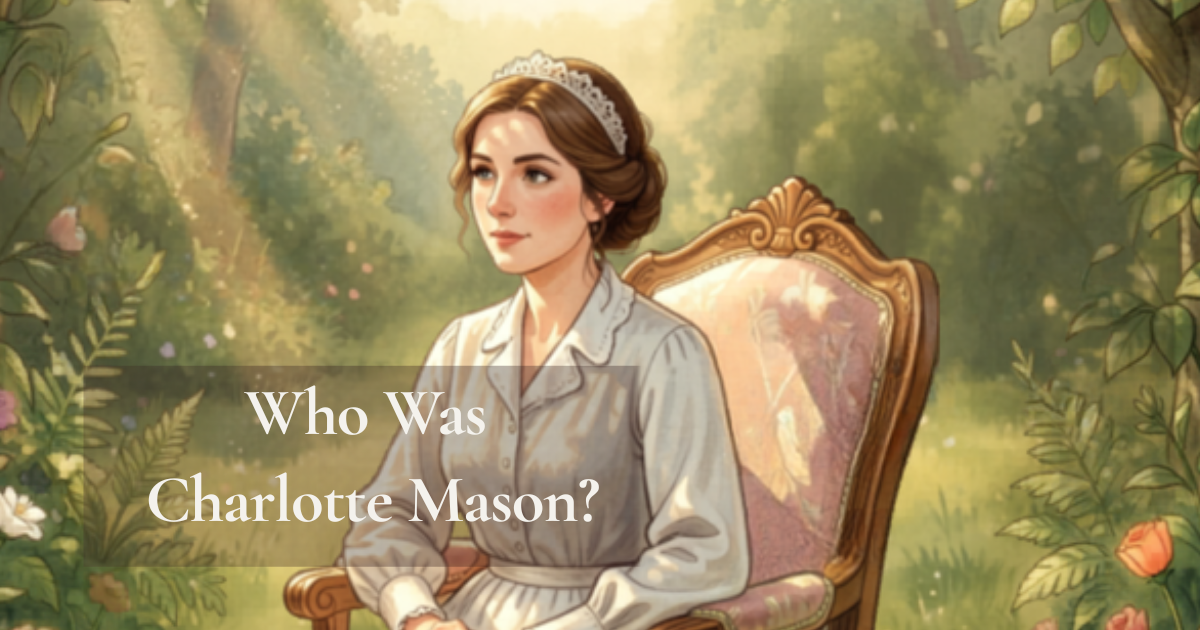
Who Was Charlotte Mason and Why Does She Still Matter?
If you’ve ever watched a child become completely absorbed in a story, pause in awe over a butterfly, or ask a surprisingly deep question at bedtime, you’ve witnessed something powerful: a mind already alive and growing.
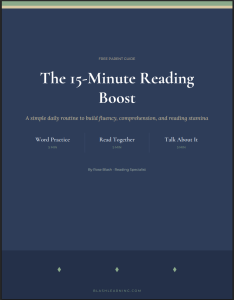
The Charlotte Mason approach works. Knowing where your child stands makes it work even better. This free guide gives you a place to start.
In a world where education often feels hurried and heavy, many parents and educators are longing for something more nurturing. Much of education leaves children drain of natural curiosity and wonder.
More than a century ago, British educator Charlotte Mason offered a philosophy that still feels like a breath of fresh air. She embraced the concept of childhood as a time when children are filled with a natural hunger to know and experience the world. This seems so appropriate and life giving.
Charlotte Mason lived from 1842 to 1923, yet her ideas continue to shape classrooms, homeschools, and tutoring spaces around the world. The reason is simple. She understood children—and she believed they deserved respect.
Children are born persons
At the heart of Charlotte Mason’s philosophy is one steady conviction: children are born persons. They are whole, complete individuals with unique perspectives The Lord placed specific giftings that should be cared for and nurtured.
Children are not projects, test scores, or unfinished adults.
They are Persons. Plain and simple.
She believed children come into the world with the capacity to think, reason, imagine, and to care deeply. They are not empty containers waiting to be filled with information. They are already whole human beings in need of guidance, nourishment, and opportunity.
In everyday life, this belief changes everything. We approach them with a sense of how unique and gifted they are.
- We speak to children with dignity.
- We expect thoughtful responses, not just compliance.
- We trust them with real ideas.
When we see children this way, our tone softens. Our expectations rise in healthy ways. And learning becomes a partnership rather than a power struggle.
Education Is Not Stuffing Information
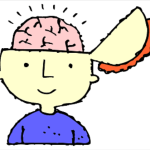
Charlotte Mason pushed back against the idea that education is about cramming facts into a child’s mind. She believed education is about forming relationships with knowledge, beauty, history, nature, and truth.
Instead of endless drills and worksheets, she encouraged:
- Rich literature that sparks imagination. Children are drawn to engaging stories with complicated plots and characters.
- Meaningful conversations that spring from deep thought.
- Exposure to art, music, science, and poetry. These elements of education make life full and robust. Children grow in the way God intended when they are exposed to these elements.
When children encounter living ideas, something shifts. They begin to think deeply. They remember naturally. They connect concepts across subjects. Learning becomes something that grows from the inside out.
When those connections are made, new ideas are formed.
In today’s performance-driven culture, children are at risk of overload. Children do not thrive under constant pressure. It is heartbreaking to see anxious children. I was greatly disturbed to see children come in my classroom with faces distorted by fear and distress because so much was demanded of them.
A Gentle but Structured Approach to Education
Charlotte Mason’s philosophy is often described as gentle—and it is. But it is never careless.
She believed children benefit from:
- Short, focused lessons
- Predictable daily rhythms
- Intentional habit training
She understood that small, repeated actions shape character over time. Habits like attention, honesty, diligence, and kindness are not formed through pressure but through consistent, calm guidance.
This balance is what makes her approach so fitting for modern families and educators. It respects emotional development while still providing structure. It values childhood without abandoning responsibility.
It is not rigid.
It is not chaotic.
It is thoughtful and steady.
Why She Still Matters Today
Many of today’s concerns echo the problems Charlotte Mason addressed long ago:
- Children feeling overwhelmed
- Learning that feels disconnected from real life
- Character formation taking a back seat to academic performance
Her philosophy reminds us that education is not a race. It is a formation. It is the shaping of a person—not just the accumulation of achievements.
In a culture that often pushes children to do more and move faster, Charlotte Mason invites us to slow down and grow wisely.
Her approach stresses character development and attention to detail. These qualities impact the child beyond reading.
questions and answers
Was Charlotte Mason only for homeschooling families?
Not at all. While many homeschoolers appreciate her methods, her principles can be applied anywhere—classrooms, tutoring sessions, and even everyday family life. Her philosophy is less about location and more about mindset.
When I could incorporate her philosophies in my classroom, I did so with joy. Her methods allowed me to nurture the natural inclinations of my students. That was a beautiful way to establish a positive relationship with a child.
Does this approach mean lowering academic standards?
Quite the opposite. Mason believed children are capable of engaging with challenging ideas. The difference is how those ideas are presented. Instead of drill-heavy instruction, she encouraged meaningful engagement that builds true understanding.
Meaningful engagment encourages true education. These are the ideas and experiences that remain with a child.
What does “gentle” really mean in practice?
Gentle does not mean permissive. It means firm guidance without harshness. Clear expectations. Consistent routines. Calm correction. Children thrive when they feel secure and respected at the same time.
Is this realistic in today’s busy world?
Yes—especially because it emphasizes quality over quantity. Short, focused lessons. Rich materials. Intentional habits. It often simplifies learning rather than complicating it.
Follow the Series
This is just the beginning.
In the coming posts, we’ll explore her ideas more deeply—what she meant by “education is a feast,” how living books transform comprehension, why narration strengthens thinking, and how habit training shapes lifelong success.
If you’re drawn to an approach that honors both childhood and learning, stay with us. Follow this series and discover how Charlotte Mason’s philosophy can influence the way we guide children—at home, in the classroom, and beyond.